
 Recommended On
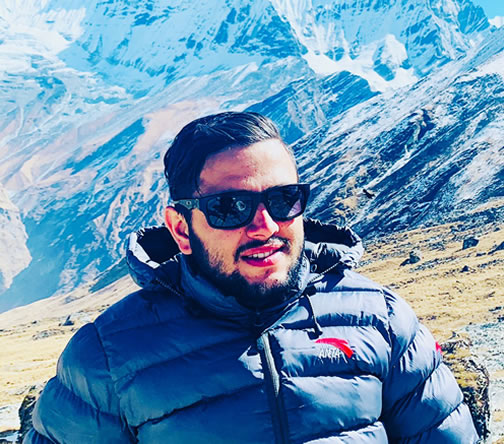
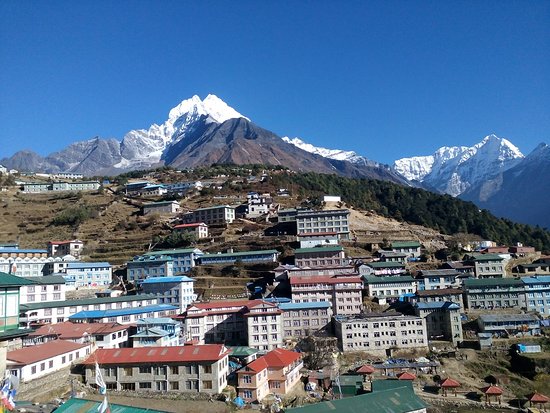
Manang is the most important acclimatization village on the Annapurna Circuit Trek. Located at around 3,540 meters in Nepal’s Gandaki Province, Manang helps trekkers prepare for the high-altitude crossing of Thorong La Pass at 5,416 meters. The village combines Himalayan acclimatization, trekking logistics, mountain scenery, and Tibetan Buddhist culture in one place.
The Manang Annapurna Circuit section is searched heavily because most trekkers spend at least one acclimatization day here before moving toward Yak Kharka and Thorong Phedi. Manang also acts as the last major comfort stop before the harsher high-altitude trekking zone begins.
You get bakeries, gear shops, teahouses, WiFi, rescue consultation support, and guided acclimatization hikes in one village. Side trips like the Ice Lake hike, Gangapurna Lake, Braga Monastery, and Chongkor Viewpoint help improve altitude adaptation while giving wide Himalayan mountain views.
This guide explains the Manang trekking route, the Annapurna Circuit map progression, Manang altitude, Thorong La crossing preparation, permits, accommodation, food, acclimatization strategy, and the best time to visit Manang.
Where Is Manang Located?
Manang village is located in the Manang District of Gandaki Province in Nepal. It sits directly on the Annapurna Circuit Trek route between Pisang and Yak Kharka. The village lies at approximately 3,540 meters above sea level and functions as the main acclimatization hub before Thorong La Pass.
The Manang Annapurna Circuit section is surrounded by major Himalayan peaks, including Annapurna II, Annapurna III, Tilicho Peak, and Chulu East. Gangapurna Lake and glacier viewpoints are visible from many parts of the village.
Historically, Manang, Nepal, was an important Himalayan trading village connected with Tibet through mountain trade routes. Today, it remains one of the busiest trekking settlements on the Annapurna Circuit because trekkers need altitude preparation before ascending higher.
Manang Annapurna Circuit Map Explained
The Annapurna Circuit map through Manang follows a gradual altitude progression designed to reduce Acute Mountain Sickness (AMS) risk. Most trekking itineraries begin from Kathmandu and continue toward Besisahar, Chame, Pisang, and finally Manang village.
The lower Annapurna section includes forests, waterfalls, suspension bridges, and river valleys. After Pisang, the trail becomes drier and more alpine due to the Himalayan rain-shadow effect. The Manang trekking route then enters a high-altitude environment with thinner air and colder temperatures.
After the acclimatization day in Manang, trekkers continue toward Yak Kharka, Thorong Phedi, and Thorong La Pass. The descent later moves toward Muktinath and Jomsom.
Key Route Progression
|
Route Section |
Approx Altitude |
|
Besisahar |
760m |
|
Chame |
2,670m |
|
Pisang |
3,200m |
|
Manang |
3,540m |
|
Yak Kharka |
4,050m |
|
Thorong Phedi |
4,450m |
|
Thorong La Pass |
5,416m |
The Annapurna Circuit road to Manang now allows jeep access from Besisahar through Chame. Many trekkers combine driving and trekking to shorten itinerary days while still maintaining acclimatization safety.
Why Manang Is Important in the Annapurna Circuit
Acclimatization in Manang is one of the most important parts of the Annapurna Circuit Trek. The village helps trekkers adapt before crossing Thorong La Pass, where oxygen levels become significantly lower.
Most AMS cases on the Annapurna Circuit happen because trekkers ascend too quickly after Manang. Spending one acclimatization day here improves altitude adaptation and lowers the chance of severe Acute Mountain Sickness (AMS).
Manang village also acts as the final large settlement with strong trekking logistics. You get bakeries, pharmacies, gear shops, charging stations, rescue information, and better Manang teahouses before entering the more remote high-altitude section.
Guided Annapurna Circuit trek itineraries often include guided acclimatization hikes around Gangapurna Lake or Ice Lake because structured altitude gain improves oxygen adaptation before the Thorong La crossing.
Golden Rules Before Thorong La Pass
-
Spend at least one acclimatization day in Manang
-
Drink 3 to 4 liters of water daily
-
Avoid alcohol before a higher ascent
-
Walk slowly above 3,500m
-
Monitor headache and dizziness symptoms
Manang Altitude & Acclimatization Guide
The Manang altitude is approximately 3,540 meters. At this elevation, oxygen saturation begins dropping noticeably, and trekkers often feel slower movement, heavier breathing, and mild fatigue during ascent.
Common altitude sickness Annapurna Circuit symptoms include headache, nausea, dizziness, poor sleep, and appetite loss. If symptoms worsen, descent becomes necessary. High-altitude trekking safety depends more on acclimatization than fitness alone.
The best acclimatization strategy follows the “climb high, sleep low” principle. Trekkers hike higher during the day and return to sleep lower in Manang village. This improves altitude adaptation gradually.
Best Acclimatization Hikes
|
Side Hike |
Approx Altitude |
Purpose |
|
Ice Lake hike |
4,600m |
Strong altitude adaptation |
|
Gangapurna Viewpoint |
3,900m |
Moderate acclimatization |
|
Chongkor Viewpoint |
3,800m |
Easier sunrise hike |
The Ice Lake hike is one of the best acclimatization hikes on the Annapurna Circuit. It improves Himalayan acclimatization before the Thorong La crossing while offering panoramic mountain views of Annapurna II, Tilicho Peak, and Chulu East.
Many local trekking guide teams also carry pulse oximeters to monitor oxygen saturation during acclimatization in Manang.
Things to Do in Manang
Manang village offers more than acclimatization. Trekkers usually spend one or two days here exploring side hikes, monasteries, glacier viewpoints, and Himalayan culture.
Hike to Ice Lake (Kicho Tal)
The Ice Lake hike is one of the best things to do in Manang. The trail climbs to around 4,600 meters and helps improve altitude adaptation before Thorong La Pass.
The lake remains partially frozen during colder months and reflects the surrounding Himalayan peaks. The hike takes about 5 to 7 hours round-trip, depending on weather and acclimatization pace.
Visit Gangapurna Lake & Glacier
Gangapurna Lake sits below Gangapurna Glacier near Manang village. The short acclimatization walk provides glacier viewpoints and mountain reflections of Annapurna III and nearby peaks.
This side trip is easier than Ice Lake and works well for trekkers wanting moderate altitude gain without a full-day climb.
Explore Braga Village & Monastery
Braga Monastery is one of the oldest monasteries on the Annapurna Circuit Trek. The monastery shows strong Tibetan Buddhist culture through murals, prayer wheels, and traditional Himalayan architecture.
The nearby Braga village still preserves stone-built houses and older mountain settlement patterns.
Visit Milarepa Cave
Milarepa Cave sits above Braga village and is connected with Buddhist meditation history. The side trail offers quieter scenery and fewer crowds compared to the main trekking route.
Photography & Mountain Views
Manang Nepal provides excellent Himalayan mountain views throughout the day. Trekkers commonly photograph Annapurna II, Gangapurna, Tilicho Peak, and Chulu East from surrounding ridges and viewpoints.
Manang to Thorong La Pass Trek
The Manang to Thorong La Pass section is the hardest part of the Annapurna Circuit Trek. Trekkers gradually move from Manang toward Yak Kharka, Thorong Phedi, and finally Thorong La crossing at 5,416 meters.
The trail from Manang to Yak Kharka focuses on controlled altitude gain. Most trekkers feel thinner air beginning above 4,000 meters, especially during uphill sections.
Thorong Phedi acts as the final staging area before summit day. Many trekkers begin the Thorong La crossing around 4 AM because weather conditions become riskier later in the day.
Thorong La Crossing Facts
|
Section |
Average Walking Time |
|
Manang to Yak Kharka |
4 to 5 hrs |
|
Yak Kharka to Thorong Phedi |
4 hrs |
|
Thorong Phedi to Thorong La |
4 to 6 hrs |
|
Pass to Muktinath descent |
4 to 5 hrs |
Snowstorms, dehydration, exhaustion, and oxygen reduction create the biggest risks during the Thorong La crossing. Guided Annapurna Circuit trek itineraries reduce risk because guides monitor pace, hydration strategy, and weather changes closely.
Annapurna Circuit Altitude Profile Through Manang
The Annapurna Circuit acclimatization profile becomes serious after Chame. Altitude gain increases steadily, and proper pacing becomes critical after Pisang.
Altitude Profile
|
Location |
Approx Altitude |
|
Chame |
2,670m |
|
Pisang |
3,200m |
|
Manang |
3,540m |
|
Yak Kharka |
4,050m |
|
Thorong Phedi |
4,450m |
|
Thorong La Pass |
5,416m |
AMS risk becomes moderate above 3,000 meters and increases sharply above 4,500 meters. Thorong La Pass becomes the highest exposure zone of the trek.
Professional trekking support teams usually recommend conservative ascent pacing after Manang because rapid altitude gain increases emergency evacuation cases.
Accommodation and Food in Manang
Accommodation in Manang ranges from basic teahouses to upgraded lodges with attached bathrooms and heated dining halls. Pre-booked teahouses become useful during the autumn trekking season because room demand rises quickly.
Manang teahouses provide charging stations, WiFi, hot showers, bakeries, and laundry services. Electricity usually comes from solar or local hydro systems, so charging fees are common.
Food on the Annapurna Circuit includes dal bhat, noodles, soup, pasta, Tibetan bread, yak cheese, pancakes, and bakery items. Higher altitude transport increases food costs gradually above Manang.
Average Food Costs in Manang
|
Item |
Approx Price |
|
Dal Bhat |
$6 to $9 |
|
Tibetan Bread |
$3 to $5 |
|
Coffee |
$2 to $4 |
|
Hot Shower |
$3 to $5 |
|
Device Charging |
$2 to $4 |
Guided Annapurna Circuit trek packages often include porter support and pre-booked accommodation, which helps during busy trekking months.
Best Time to Visit Manang
The best time to visit Manang is during spring and autumn because the mountain weather stays more stable and visibility improves.
Spring (March to May)
Spring brings rhododendron forests in the lower Annapurna sections and clear Himalayan mountain views near Manang. Daytime temperatures in Manang usually range from 8°C to 15°C.
Autumn (September to November)
Autumn is the busiest trekking season for the Annapurna Circuit Trek. Trails remain dry, skies stay clearer, and Thorong La crossing conditions improve.
Winter (December to February)
Winter trekking offers snow-covered scenery and fewer crowds. However, Thorong La Pass may temporarily close after heavy snowfall.
Monsoon (June to August)
Manang sits in a rain-shadow region, so rainfall becomes lighter compared to the lower Annapurna areas. Still, landslides and road disruptions below Chame remain possible.
How to Reach Manang
Trekkers can reach Manang either by trekking or jeep transport. The classic Annapurna Circuit approach begins from Besisahar and gradually ascends through Chame and Pisang.
Jeep to Manang services now operate during favorable road conditions. The Annapurna Circuit road to Manang shortens trekking days but increases the risk of rapid altitude gain.
Many trekkers use a hybrid trekking itinerary. They drive to the lower sections and start walking from Chame or Pisang to improve acclimatization balance.
Road conditions change frequently during the monsoon season because landslides affect sections between Besisahar and Chame.
Permits Required for Manang & Annapurna Circuit
The Annapurna Circuit Trek requires two main trekking permits for the Manang and surrounding areas.
Required Permits
|
Permit |
Purpose |
|
ACAP Permit |
Annapurna Conservation Area access |
|
TIMS Card |
Trekker tracking and safety |
The Annapurna Conservation Area Permit (ACAP) is mandatory because the route passes through protected Himalayan regions. The Trekker Information Management System (TIMS Card) helps track trekking movement for emergency response.
Guided trekking has become more popular because local trekking guides' support improves navigation, safety awareness, altitude management, and trekking logistics.
Difficulty and Safety in the Manang Region
The Manang and Annapurna Circuit trek difficulty mainly comes from altitude rather than technical climbing. Oxygen reduction, long walking days, cold temperatures, and unpredictable mountain weather create the biggest challenges.
Thorong La crossing becomes physically demanding because trekkers climb above 5,000 meters for several hours. Temperatures during early morning crossing can drop below -15°C during colder months.
Important Safety Tips
-
Keep daily hydration above 3 liters
-
Ascend gradually after Manang
-
Use Diamox only after proper consultation
-
Avoid sleeping too high too quickly
-
Monitor AMS symptoms daily
Professional trekking support improves emergency evacuation coordination during severe altitude sickness situations.
Manang Culture & Himalayan Lifestyle
Manang village shows a strong Tibetan Buddhist culture influenced by centuries of Himalayan trade connections with Tibet. Prayer flags, monasteries, mani walls, and stone-built homes remain common throughout the region.
Braga Monastery remains one of the cultural highlights of the Annapurna Circuit Trek. Yak caravans, mountain trade history, and traditional architecture still shape local life today.
Trekkers should remove shoes before entering monasteries and ask permission before photographing monks or prayer ceremonies. Respectful local interaction improves cultural experience while supporting sustainable trekking awareness.
NATT Route vs Standard Annapurna Circuit Through Manang
The NATT route Annapurna Circuit option was developed to reduce road walking after jeep roads expanded in the Annapurna region.
The NATT trails use quieter trekking sections away from vehicle roads. These paths improve scenery immersion and preserve a more traditional trekking experience.
The standard route provides easier logistics and faster itinerary flexibility because jeep accessibility remains available in many sections.
Quick Comparison
|
NATT Route |
Standard Route |
|
More walking trails |
More road access |
|
Better scenery immersion |
Faster logistics |
|
Fewer vehicles |
Easier jeep exits |
|
Longer trekking days |
Shorter itinerary |
Many guided Annapurna Circuit trek itineraries now combine both routes depending on weather, trekking duration, and group fitness.
Packing Essentials for Manang & Thorong La
Packing properly for Manang and Thorong La crossing improves safety and comfort during high-altitude trekking.
Essential Clothing
-
Down jacket
-
Thermal layers
-
Waterproof shell
-
Warm gloves
-
Wool hat
Trekking Gear
-
Trekking poles
-
Hydration system
-
Sunglasses
-
Headlamp
-
Microspikes during the snow season
Health & Safety
-
Diamox
-
Sunscreen
-
Lip balm
-
First-aid kit
-
Water purification tablets
Golden Rule: Keep your trekking bag below 13kg for better energy management at altitude.
Manang vs Everest Base Camp
The Manang Annapurna Circuit experience differs from Everest Base Camp in both scenery and trekking style.
The Annapurna Circuit Trek offers more landscape variation, road access flexibility, glacier viewpoints, and quieter trekking trails. Trekkers pass forests, alpine valleys, mountain deserts, and Thorong La Pass within one route.
Everest Base Camp focuses more heavily on Everest views, Sherpa culture, and iconic expedition history. However, Everest trails usually feel busier during peak seasons.
Choose the Annapurna Circuit if you want route diversity and broader cultural immersion. Choose Everest if your goal centers on Everest prestige and the Khumbu expedition atmosphere.
Why Trek Manang Annapurna Circuit With World Expedition Nepal
World Expedition Nepal provides guided Annapurna Circuit trek support focused on acclimatization safety, trekking logistics, and realistic itinerary pacing.
Their local trekking guide teams help manage altitude gain, accommodation coordination, porter support, and Thorong La weather timing. This becomes especially useful for trekkers attempting high-altitude trekking for the first time.
Professional trekking support also improves route flexibility during weather disruptions, road closures, or altitude-related issues. Guided acclimatization hikes around Ice Lake and Gangapurna Lake help trekkers prepare more safely for the Thorong La crossing.
Pre-booked teahouses, permit management, transportation planning, and emergency coordination reduce logistical stress throughout the Manang and Annapurna Circuit trek.
Final Verdict: Is Manang the Best Part of the Annapurna Circuit?
Manang is the operational and acclimatization center of the Annapurna Circuit Trek. It combines Himalayan culture, glacier viewpoints, altitude preparation, side hikes, trekking logistics, and mountain scenery in one location.
The village plays a critical role in Thorong La crossing success because acclimatization in Manang reduces altitude sickness risk before entering the highest section of the route.
For many trekkers, the Manang Annapurna Circuit section becomes the most memorable part of the trek because it balances adventure, culture, safety preparation, and Himalayan mountain views together.
Why Choose World Expedition Nepal for the Annapurna Circuit Trek
World Expedition Nepal is a locally based trekking operator with deep experience organizing guided treks across the Annapurna region, including the Manang section and Thorong La Pass crossing. Their team focuses on safety, proper acclimatization, and well-paced itineraries designed specifically to reduce altitude-related risks on the Annapurna Circuit Trek.
One of the main advantages of trekking with a professional local operator is structured altitude management. Their guides are trained to monitor symptoms of Acute Mountain Sickness (AMS), plan gradual ascent schedules, and include essential acclimatization stops in places like Manang, Yak Kharka, and Thorong Phedi. This significantly improves trekking safety, especially for first-time high-altitude trekkers.
They also handle all logistical aspects of the journey, allowing trekkers to focus fully on the experience. This includes permit arrangements (ACAP and TIMS), accommodation booking in peak seasons, transportation coordination, and porter support for carrying heavy loads during long trekking days.
Key Benefits of Trekking with World Expedition Nepal
-
Experienced local guides with high-altitude trekking expertise
-
Proper acclimatization planning for Manang and Thorong La Pass
-
Full logistics support, including permits, lodging, and transport
-
Emergency coordination and safety-first trekking approach
-
Flexible itineraries based on weather and group fitness levels
With professional support, the Annapurna Circuit becomes not just a challenging trek, but a safer and more immersive Himalayan journey through Manang, the Thorong La region, and beyond.
FAQs About Manang Annapurna Circuit Guide
How high is Manang?
Manang's altitude is around 3,540 meters above sea level on the Annapurna Circuit Trek.
Why do trekkers stay in Manang?
Trekkers stay in Manang for acclimatization before crossing Thorong La Pass at 5,416 meters.
How many acclimatization days are needed in Manang?
Most trekkers spend one acclimatization day in Manang. Some spend two days if symptoms appear.
What are the best things to do in Manang?
The Ice Lake hike, Gangapurna Lake walk, Braga Monastery visit, and glacier viewpoints are the most popular activities.
Can beginners trek to Manang?
Yes, beginners can reach Manang with proper pacing, acclimatization, and guided trekking support.
Is altitude sickness common in Manang?
Mild AMS symptoms are common because Manang sits above 3,500 meters, where oxygen levels decrease noticeably.
What is the best time to visit Manang?
Spring and autumn provide the best weather, mountain visibility, and safer Thorong La crossing conditions.
Can you drive to Manang?
Yes, jeep transport is available from Besisahar through Chame to Manang during stable road conditions.
How difficult is Thorong La Pass?
Thorong La Pass is physically demanding due to altitude, cold temperatures, and long summit-day walking hours.
What permits are required for Manang?
Trekkers need the ACAP Permit and TIMS Card for the Annapurna Circuit Trek through Manang
